Phase-Based Budgeting
Instead of attempting a total-home overhaul, modern owners utilize Phase-Based Accumulation Planning. This involves breaking a $50,000 project into five $10,000 milestones, each funded by a specific savings cycle.
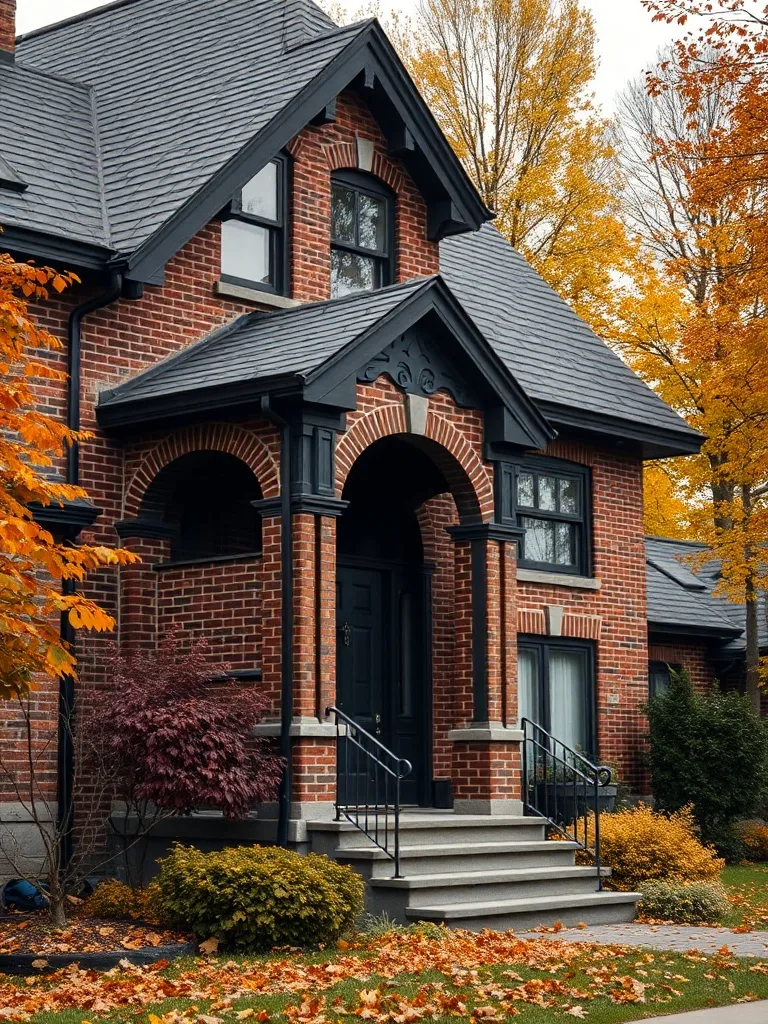
Analyzing the shift from debt-reliant home improvements to strategic liquidity management in the Canadian real estate sector.
Only essential content — no spam.
This encyclopedia entry classifies the mechanisms used by Canadian property owners to fund structural and cosmetic improvements. Historically, the HELOC was the primary instrument; however, shifting interest rates have necessitated a return to direct capital allocation.
For decades, the Canadian renovation market was defined by the "Equity-First" era. Homeowners leveraged rising property values to secure low-interest debt. This period saw a decline in traditional savings accounts as the primary source of renovation funds. However, the evolution of the Direct Capital Allocation model marks a significant return to solvency-based planning.
The transition from debt to cash-based funding is driven by three primary factors: 1 Increased cost of borrowing, 2 Greater availability of high-yield savings instruments, and 3 A cultural shift toward fiscal minimalism in the residential sector.

Instead of attempting a total-home overhaul, modern owners utilize Phase-Based Accumulation Planning. This involves breaking a $50,000 project into five $10,000 milestones, each funded by a specific savings cycle.
The use of Low-Volatility Investment Classifications—such as GICs or High-Interest Savings Accounts (HISA)—ensures that capital is preserved and accessible when contractor schedules align.
Modern frameworks often incorporate Federal and Provincial Grants to offset 15-30% of energy-efficient upgrade costs, effectively accelerating the accumulation timeline.
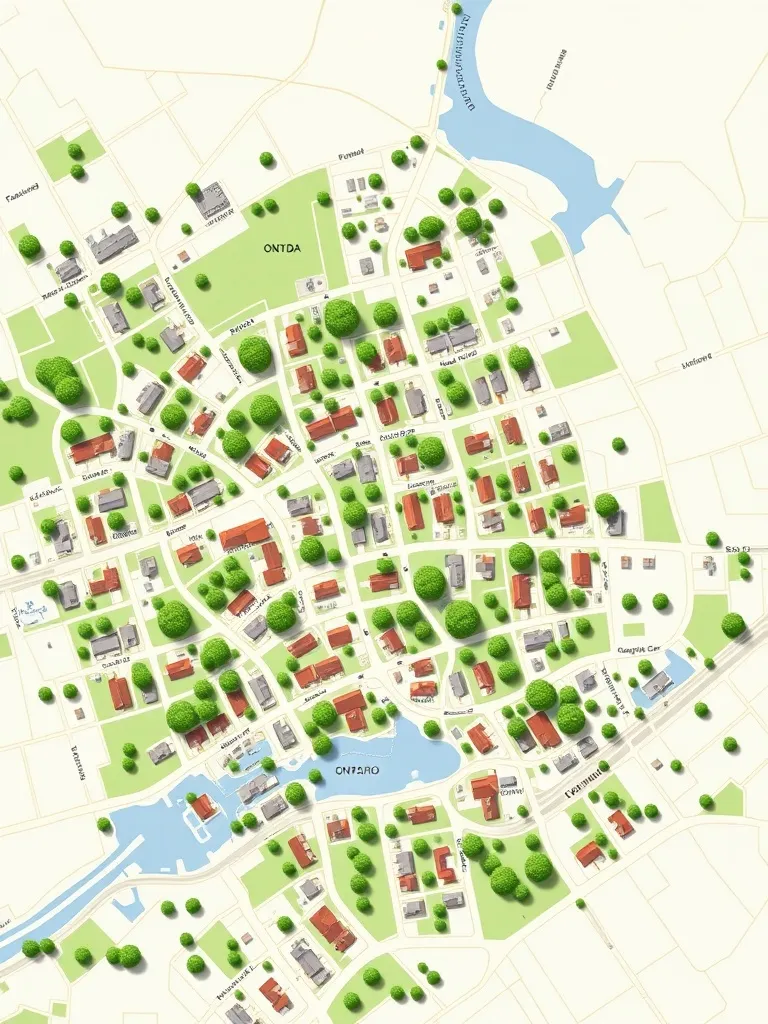
The London, Ontario market serves as a critical case study for capital accumulation. With a diverse housing stock ranging from Victorian-era builds to mid-century bungalows, the cost of renovation varies significantly. Statistical data suggests that owners in this region are increasingly opting for Statistical Cost Analysis before committing to savings goals.
Current data indicates that a kitchen remodel in the London area averages between $25,000 and $45,000. By applying a 24-month accumulation strategy, homeowners can avoid the 7-9% interest rates typical of unsecured personal loans, saving upwards of $6,000 in financing costs.
Understanding the historical trajectory of Canadian residential finance allows property owners to make informed decisions regarding their primary asset. Move beyond debt and explore modern accumulation methodologies.